Cataract
Cataracts: What Are They and When Is Surgery Right for You?

Dr Minak Bhalla
If you're over 60, chances are you've heard about cataracts, or perhaps you've been told you're developing them. Cataracts are incredibly common—in fact, most people will develop them if they live long enough. Let me help you understand what cataracts are, how they develop and when treatment might be right for you.
What Exactly Is a Cataract?
A cataract is a clouding of the natural lens inside your eye. Your lens sits behind the colored part of your eye (the iris) and helps focus light onto your retina. When you're young, this lens is clear, like a clean window. As we age, proteins in the lens can clump together, creating cloudy areas that block or scatter light. This is a cataract.
Think of it like a window that gradually becomes frosted or foggy. The cloudier it becomes, the harder it is to see clearly through it.
Are Cataracts a Normal Part of Aging?
Yes and no. While cataracts are extremely common as we age and are considered part of the normal aging process, not everyone develops them at the same rate or to the same degree. By age 80, more than half of people either have a cataract or have had cataract surgery.
Factors that can accelerate cataract development include:
Prolonged exposure to UV light
Smoking
Diabetes
Long-term use of certain medications, particularly steroids
Previous eye injury or inflammation
Family history
What Are the Symptoms?
Cataracts develop gradually and you might not notice symptoms at first. Cataract Common signs include:
Blurry or Cloudy Vision
Like looking through a foggy window, your vision gradually becomes less sharp.
Increased Glare
Lights, especially oncoming headlights at night, may seem too bright or have halos around them.
Faded Colors
Colors may seem less vibrant or appear yellowed.
Difficulty with Night Vision
Many people first notice problems with night driving.
Concerned About Cataracts?
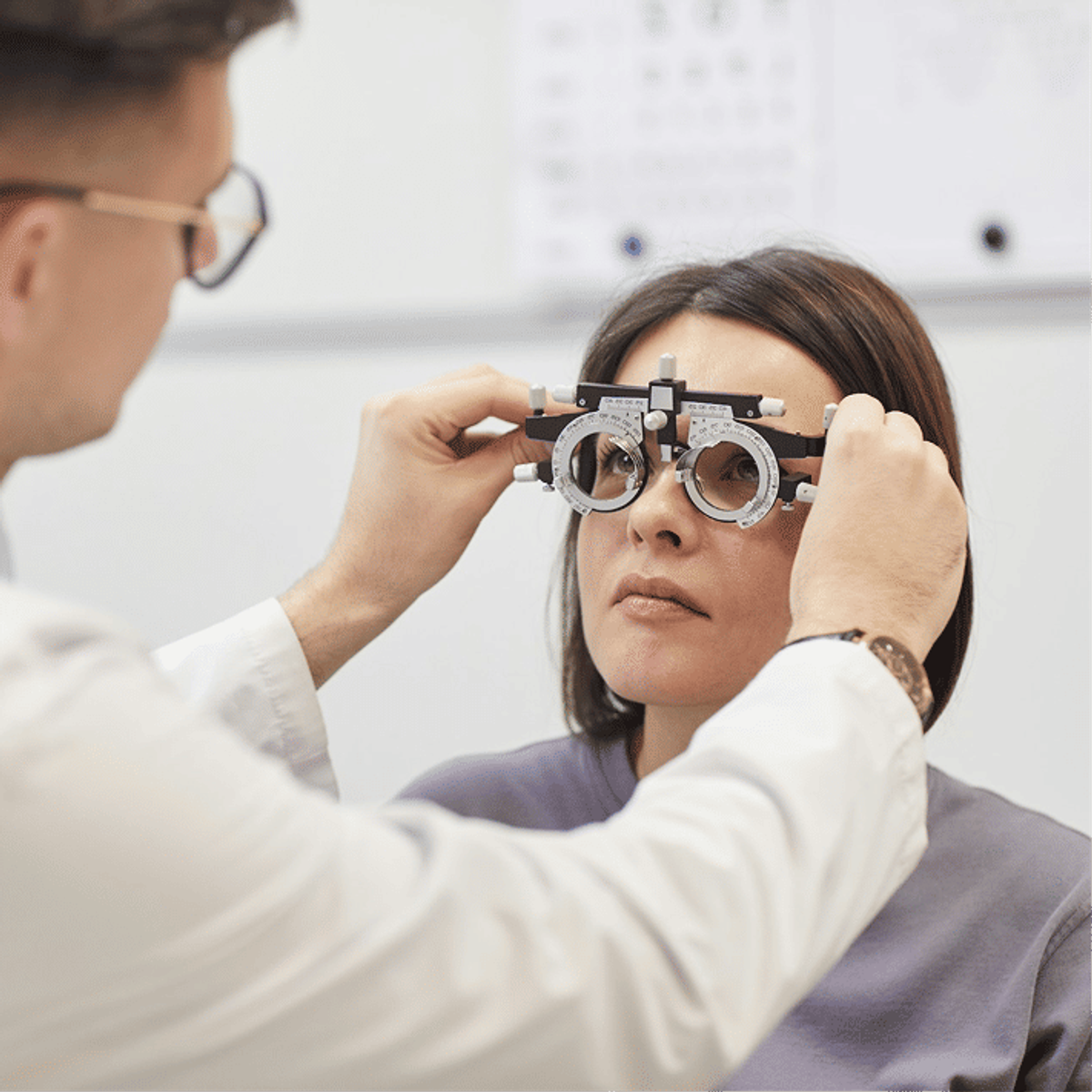
Schedule a comprehensive eye examination to discuss your options