Glaucoma
Can Glaucoma Lead To Blindness?

Mr Minak Bhalla
Glaucoma is a leading cause of blindness around the world. In 2020, globally 3.6 million people aged 50+ lost their sight due to glaucoma. It is a group of eye conditions that damage the optic nerve, often but not always associated with raised intraocular pressure. Known as the “silent thief of sight”, glaucoma may develop slowly without showing noticeable symptoms in early stages. If left untreated, the optic nerve damage can worsen and may eventually result in blindness.
How does glaucoma cause blindness?
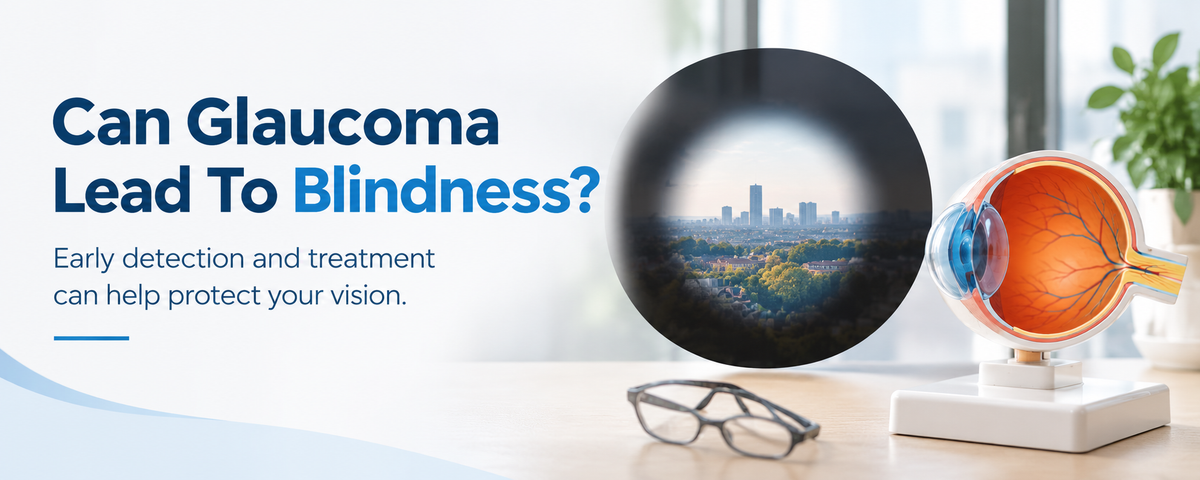
The nerve fibres in the optic nerve carry visual information from the eyes to the brain. Glaucoma damages these fibres and affects vision. One of the early symptoms is worsening of peripheral vision and as it advances, it affects more of the visual field. Once the optic nerve has been permanently damaged, it cannot be reversed and the lost vision cannot be restored. Hence early detection and treatment are essential and strongly recommended to protect the vision before it eventually leads to permanent loss of vision.
What are the warning signs of glaucoma?
Glaucoma may develop without obvious symptoms in its early stages. Peripheral vision can gradually deteriorate without being noticed. Some common symptoms may be experienced as the disease progresses-
including gradual changes to peripheral vision, needing more light, or blurry vision
Blurred or hazy vision, as if looking through a dirty window
Difficulty adjusting between light and dark environments
Some forms of glaucoma, such as acute angle-closure glaucoma, can develop suddenly. Severe eye pain, halos around light, blurred vision, headache, nausea and vomiting may be experienced. These are the warning signs of an eye emergency and require immediate medical attention.
Does every person with glaucoma become blind?
No, glaucoma does not inevitably lead to blindness. With early diagnosis and appropriate treatment, many people with glaucoma can preserve their vision throughout their lives.
The risk of serious vision loss or blindness depends on several factors including the type and severity of the glaucoma, at what stage it is diagnosed and the individual's response to treatment. Even though the existing damage cannot be reversed, regular eye examinations and adherence to the treatment plan can significantly reduce the risk of further damage.
How to prevent glaucoma related blindness?
Although the lost vision due to the optic nerve damage cannot be restored, treatment can slow or prevent further damage by controlling the intraocular pressure. Depending on the type and severity of glaucoma, your ophthalmologist may recommend-
Eye drops: Medications can reduce eye pressure by controlling the production of fluid inside the eye (aqueous humor) or improving its drainage.
Laser treatment:Laser treatment, such as selective laser trabeculoplasty (SLT), may also be offered as an early or first-line option for suitable patients.
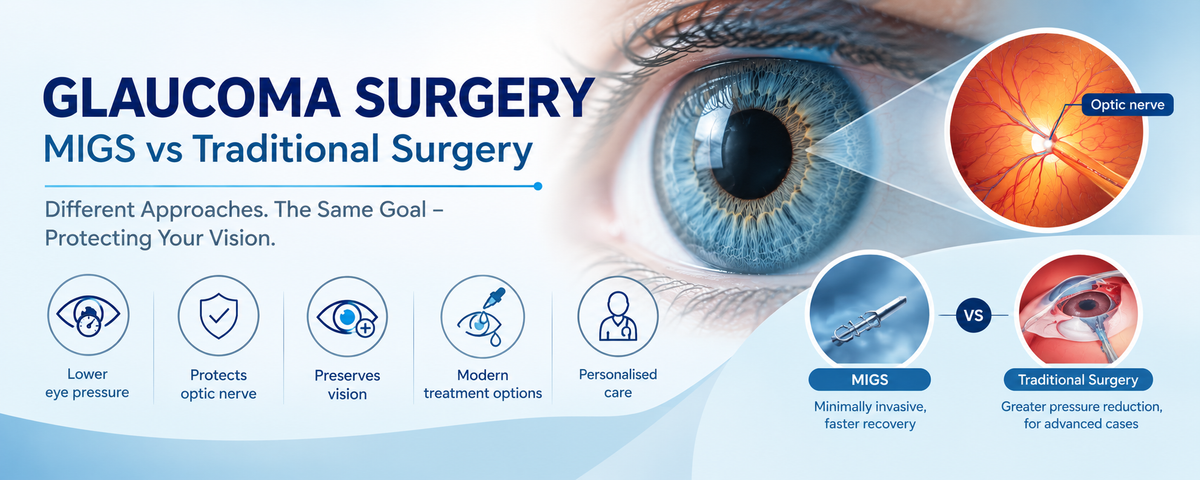
Glaucoma surgery: If eye drops or laser treatment fail to control glaucoma effectively, surgery may be recommended. Traditional surgical procedures such as trabeculectomy or modern less invasive procedures like Minimally invasive glaucoma surgery (MIGS) can be the preferred for selected patients. You need a consultation with an experienced ophthalmologist to decide which type of surgery is appropriate for you. After a thorough assessment, the ophthalmologist will make his decision based on your overall eye health, lifestyle and visual needs.
Protect your vision with early detection
Blindness is not an inevitable outcome in glaucoma however, 50% of people with glaucoma are unaware they have it. The most effective approach to prevent glaucoma related blindness is to identify the condition early and control it before significant optic nerve damage occurs. If you notice changes in vision, particularly the symptoms of glaucoma, do not wait for them to worsen. Early detection and consistent treatment can play a significant role in protecting your vision. Any subtle changes in vision can be identified by the ophthalmologist before it deteriorates and treatment can be started at the earliest to get the best possible outcome.
Looking for glaucoma treatment in Sudbury Hill?
If you are experiencing disturbances in vision and considering a consultation with an ophthalmologist for glaucoma treatment at Sudbury Hill, you can arrange an appointment with Mr. Minak Bhalla. He is a consultant ophthalmologist and glaucoma surgeon providing specialised glaucoma treatment in The Clementine Churchill Hospital in Sudbury Hill. He has over ten years of experience in performing over 2,000 glaucoma and cataract procedures. He offers the latest generation MIGS devices and advanced glaucoma surgery, alongside personalized glaucoma assessment and treatment tailored to your individual needs. Get your appointment today at The Clementine Churchill Hospital Sudbury Hill, Harrow HA1 3RX or The London Clinic, 119 Harley Street, London W1G 6AU.