Cataract
Early Cataract Symptoms and When to Seek Advice

Dr Minak Bhalla
Changes in vision don’t always arrive dramatically. They usually come slowly, with mild blurring or extra glare that is easy to dismiss as tiredness or ageing. One of the most common causes behind these gradual changes is a cataract.
In clinic, we often meet people who say, “I noticed something wasn’t quite right months ago, but I wasn’t sure it was worth checking.” That hesitation is understandable. Cataracts develop gradually, and the early signs can be easy to miss.
This guide explains what early cataract symptoms can look like in day-to-day life, and just as importantly, when it’s sensible to seek advice from a consultant ophthalmologist in London.
What is a cataract?
A cataract is a clouding of the eye’s natural lens. This lens sits behind the iris and helps focus light onto the retina. When it becomes cloudy, light doesn’t pass through as clearly, leading to blurred or distorted vision.
Cataracts are often age-related, but they’re not limited to older adults. They can also develop due to:
Diabetes
Eye injuries
Long-term steroid use
Previous eye surgery
Family history
Early cataract symptoms: what people actually notice
Early cataracts rarely cause complete vision loss. Instead, they tend to affect how clearly and comfortably you see. The key is recognising patterns rather than waiting for a dramatic change.
1. Blurred or “soft focus” vision
One of the earliest cataract symptoms is a gradual loss of sharpness.
Patients often describe it as:
“Like looking through a slightly dirty window”
“Things aren’t crisp anymore”
“My glasses don’t seem as effective as they used to be”
This isn’t the same as needing a simple prescription update. If new glasses don’t fully resolve the issue, it’s worth investigating further.
2. Increased sensitivity to light
Bright light may start to feel uncomfortable, especially:
Sunlight
Car headlights at night
Indoor lighting that previously felt normal
You might find yourself squinting more or avoiding night driving altogether. Glare can become a real nuisance and, for some, a safety concern.
3. Difficulty seeing at night
Night vision often declines early in cataract development.
Common experiences include:
Struggling with low-light environments
Finding it harder to read menus in dim restaurants
Reduced confidence driving after dark
This tends to build gradually, which is why it’s sometimes overlooked.
4. Colours appearing faded or yellowed
Another subtle but telling sign is a shift in colour perception.
People may notice:
Whites appearing slightly yellow
Colours looking less vibrant
Difficulty distinguishing similar shades
It’s not always obvious until you compare one eye to the other or notice changes in familiar objects.
5. Frequent changes in glasses prescription
If your prescription seems to change more often than usual, it can be an early indicator of cataract progression.
Some patients say:
“I just updated my glasses, but something still feels off”
“My vision improved briefly, then worsened again”
This pattern can be a clue that the issue isn’t purely refractive.
6. Halos around lights
Seeing halos or rings around lights, particularly at night, is another common early symptom.
This can make:
Driving more difficult
Streetlights appear blurred or surrounded by glow
Headlights seem more intense than before
Why early symptoms are often missed
Cataracts develop slowly, and the brain is surprisingly good at adapting.
You may unconsciously:
Adjust lighting at home
Sit closer to screens
Avoid night driving
Rely more on one eye
Because of this gradual adjustment, many people delay seeking advice until vision starts interfering with daily life.
When should you seek advice?
Not every visual change needs urgent attention, but there are clear moments when it’s sensible to book an eye assessment.
You should consider seeing a specialist if:
Your vision feels consistently blurred despite updated glasses
Glare or halos are affecting your comfort or safety
Night driving has become difficult or stressful
Colours appear noticeably dull or altered
Vision changes are affecting work, reading, or daily tasks
At this stage, a detailed examination with a private ophthalmologist in London (https://www.minakbhalla.co.uk/about) can clarify whether cataracts are present and how advanced they are.
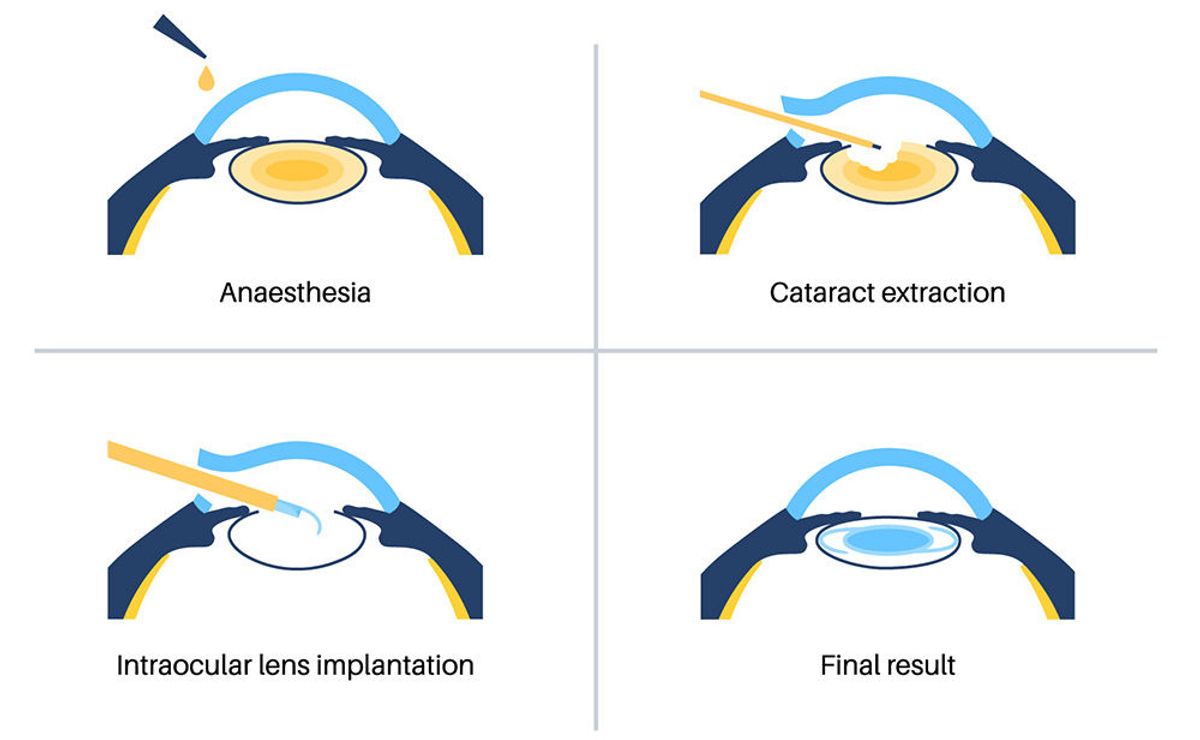
When is cataract surgery considered?
Cataract surgery is typically discussed when:
Vision affects reading, driving, or work
Glare becomes disruptive
Daily tasks feel more difficult or tiring
There’s reduced independence or confidence
If you’re exploring cataract surgery in London, the decision is usually made collaboratively based on your symptoms, lifestyle, and visual needs.
The importance of not waiting too long
Delaying assessment doesn’t just prolong inconvenience. It can also make adaptation harder over time.
People sometimes don’t realise how much their vision has declined until it improves after treatment. That contrast can be quite striking.
Final thoughts
Early cataract symptoms are easy to overlook. They don’t affect your vision all at once. Instead, things shift slowly, often in ways that feel manageable at first.
If your vision doesn’t feel quite right, it’s worth getting it checked. A simple assessment with an ophthalmologist in London can help you understand what’s going on and what to do next. If needed, this may include a discussion about cataract surgery in London.
Vision changes are common, but they shouldn’t be ignored, especially when solutions are available that can make a meaningful difference to everyday comfort and confidence.