Emergency Care
When Should I Get My Eyes Checked? A Guide to Eye Exam Frequency

Dr Minak Bhalla
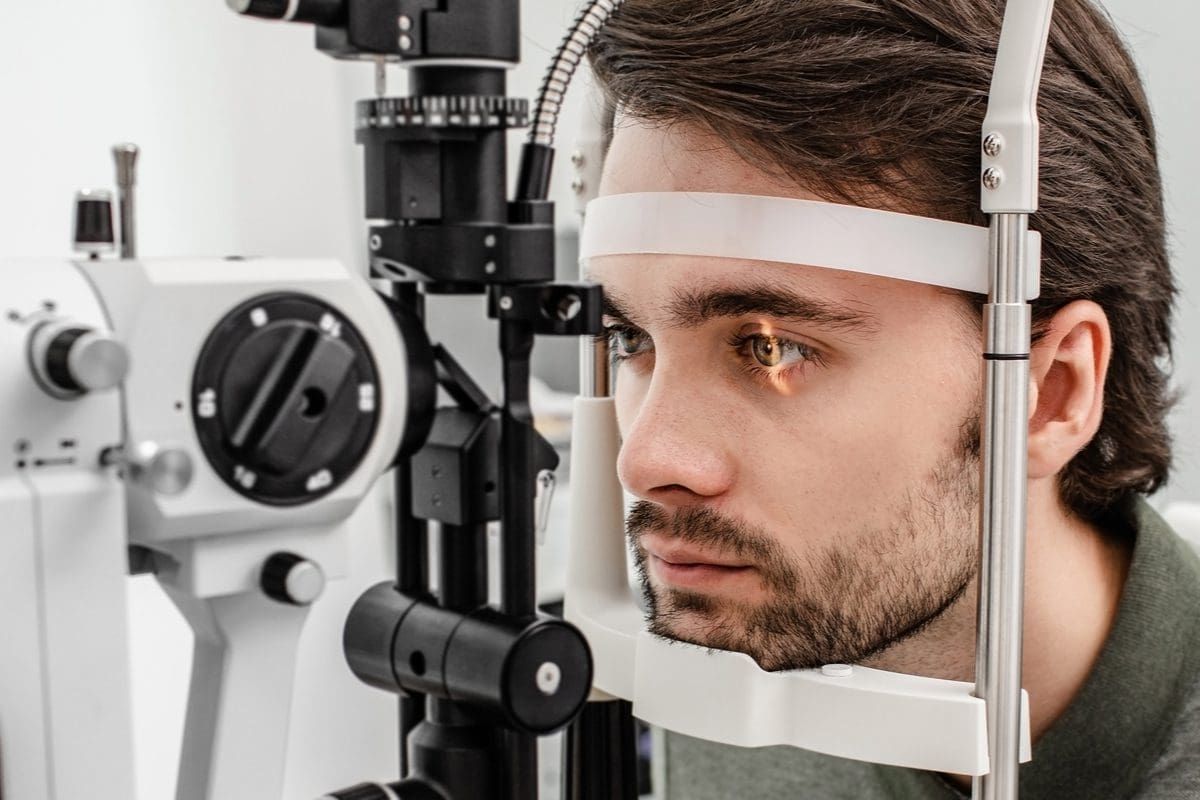
One of the most common questions I hear in my practice is: "How often should I have my eyes examined?" The answer depends on several factors, including your age, overall health and risk factors for eye disease. Let me help you understand when you should schedule your next eye exam.
Eye Exams by Age
Children and Adolescents
Children should have their first comprehensive eye exam at around 6 months of age, again at age 3 and before starting school. After that, if no vision problems are detected, exams every 1-2 years are typically sufficient throughout childhood and teenage years.
Adults Ages 18-39
If you have no symptoms or risk factors, a comprehensive eye exam every 2 years is generally recommended. However, if you wear glasses or contact lenses, annual exams help ensure your prescription remains current.
Adults Ages 40-64
This is when many age-related eye conditions begin to develop. I recommend exams every 1-2 years during this period, even if you feel your vision is fine. Early detection of conditions like glaucoma and cataracts is crucial for preserving your sight.
Adults 65 and Older
Annual eye exams become increasingly important as we age. The risk of developing serious eye conditions rises significantly and regular monitoring allows us to catch problems early when they're most treatable.
When You Need More Frequent Exams
Certain factors mean you should be examined more often, regardless of age:
Family History
If you have close relatives with glaucoma, macular degeneration, or other eye diseases, you're at higher risk and should be monitored more closely.
Chronic Health Conditions
Diabetes, high blood pressure and autoimmune diseases can all affect your eyes. If you have any of these conditions, annual exams are essential and sometimes more frequent visits are necessary.
High Myopia (Nearsightedness)
Significant nearsightedness increases your risk for retinal problems, glaucoma and early cataracts. Regular monitoring helps us watch for these complications.
Previous Eye Injury or Surgery
A history of eye trauma or procedures means we need to monitor your eyes more carefully over time.
You're Taking Certain Medications
Some medications can affect your eyes or vision. If you're on long-term steroids or certain other medications, we may recommend more frequent monitoring.
Routine Exam vs. Problem-Focused Visit
It's important to understand the difference between your regular preventive eye exam and visits for specific
Due for Your Eye Exam?
Schedule your comprehensive eye examination today