Glaucoma
Understanding Glaucoma: The Silent Thief of Sight

Dr Minak Bhalla
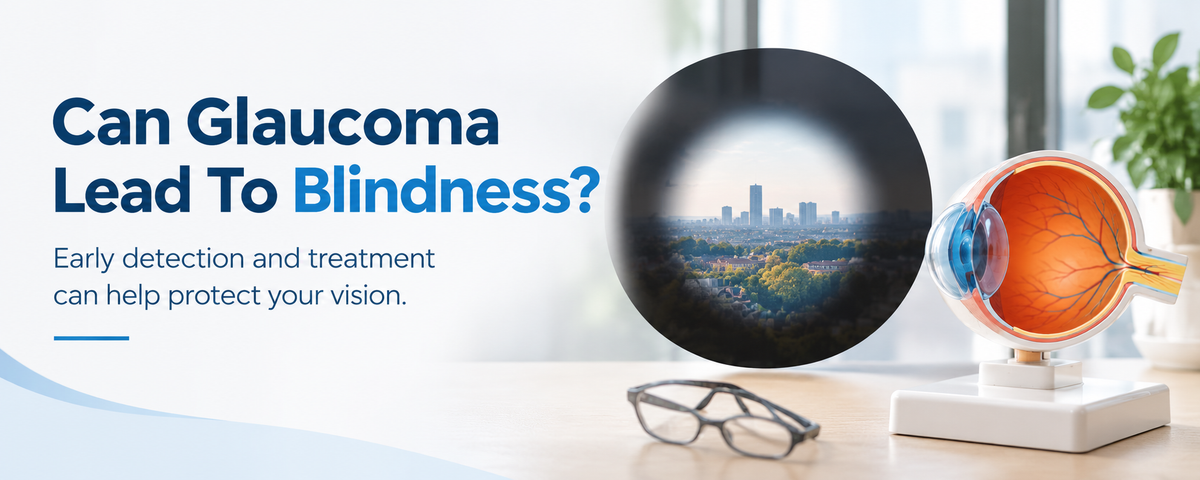
Glaucoma is often called the "silent thief of sight," and for good reason. This group of eye conditions can gradually steal your vision without any warning signs until significant damage has occurred. As someone with a special interest in glaucoma, I want to help you understand this condition and why early detection is so crucial.
What Is Glaucoma?
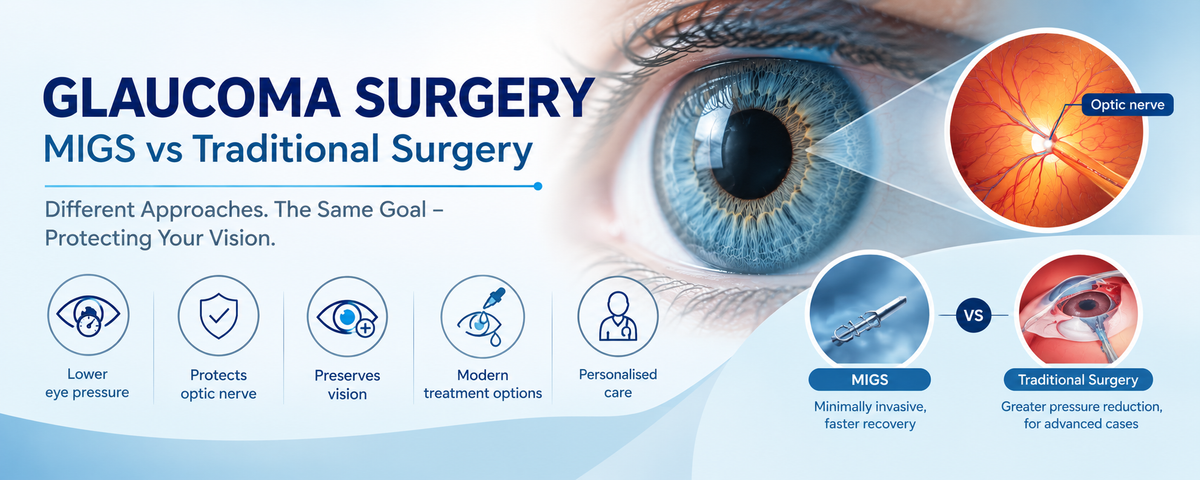
Glaucoma is not a single disease but rather a group of conditions that damage the optic nerve, which connects your eye to your brain. In most cases, this damage is associated with elevated pressure inside the eye, though glaucoma can occur even with normal eye pressure.
Think of your optic nerve as a cable containing over a million nerve fibers. Glaucoma progressively damages these fibers and once they're lost, they cannot regenerate. This is why early detection and treatment are so important—we're working to preserve the vision you have.
Why Is It Called the "Silent Thief"?
The most common form of glaucoma, called open-angle glaucoma, develops very gradually. It typically starts by affecting your peripheral (side) vision, which you may not notice in daily life. Your brain is remarkably good at compensating for gradual vision loss, so many people don't realize anything is wrong until substantial damage has occurred.
By the time patients notice vision changes on their own, they may have already lost a significant portion of their visual field. This is why regular eye exams with pressure checks and optic nerve evaluation are so essential.
Who Is at Risk?
While anyone can develop glaucoma, certain factors increase your risk:
Age
Risk increases significantly after age 60, though it can occur at any age.
Family History
Having a parent or sibling with glaucoma increases your risk substantially. This is one of the strongest risk factors we know.
Ethnicity
People of African, Hispanic and Asian descent have higher rates of certain types of glaucoma.
High Eye Pressure
Elevated intraocular pressure is a major risk factor, though not everyone with high pressure develops glaucoma.
Thin Corneas
The thickness of your cornea can affect both your actual eye pressure and your risk of developing glaucoma.
Other Medical Conditions
Diabetes, heart disease, high blood pressure and migraines can increase your risk.
Previous Eye Injury or Surgery
Trauma to the eye can increase glaucoma risk, sometimes many years later.
Concerned About Glaucoma?
Schedule a comprehensive glaucoma screening today
(tel:+442033557738)