Patient Care
Mastering Eye Drops: A Simple Skill That Makes All the Difference

Dr Minak Bhalla
"I think I'm doing it wrong," my patient confessed during a follow-up visit. "Half the time, the drop ends up on my cheek. The other half, I'm not sure if it even went in. And I'm using three different drops—am I supposed to wait between them?"
She's not alone. Despite being prescribed to millions of people every day, eye drops are remarkably difficult to use correctly. Studies suggest that up to 90% of patients make at least one error when applying their drops. These errors can mean the difference between well-controlled eye disease and preventable vision loss.
The good news? With the right technique and a few practical tips, anyone can master this essential skill.
Why Proper Technique Matters
Before we dive into the how, let's understand the why. Your eye can only hold about one drop of fluid at a time—approximately 30 microlitres. Any excess simply overflows down your cheek or drains away through your tear ducts. This means that if your drop doesn't land in your eye, you're missing your medication entirely. And if you're immediately blinking it out or letting it drain away, you're not getting the full benefit.
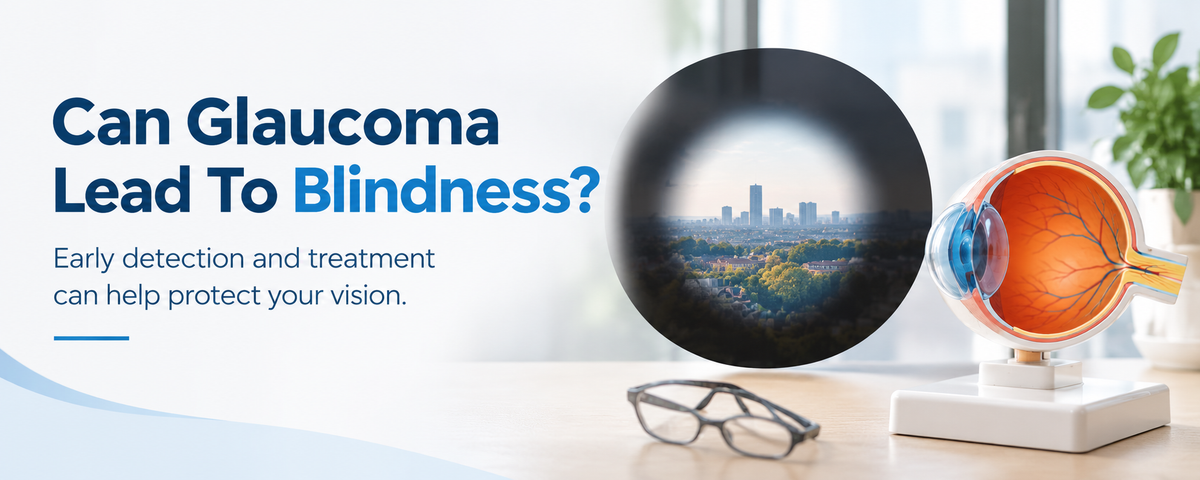
For conditions like glaucoma, where consistent pressure control is crucial, missing doses or using drops incorrectly can lead to irreversible vision loss. For post-operative care after cataract or other eye surgeries, proper drop use is essential for preventing infection and inflammation.
Getting it right isn't just about following instructions—it's about protecting your vision.
The Step-by-Step Guide
1. Wash Your Hands Thoroughly
This is non-negotiable. Use soap and water, washing for at least 20 seconds. Dry your hands completely with a clean towel. Your eyes are vulnerable to infection and introducing bacteria through contaminated fingers is a real risk.
2. Check the Bottle
Make sure you have the right drops (if you're using multiple medications). Check the expiry date. If the liquid looks discolored or contains particles, don't use it—contact your pharmacy. Shake the bottle if instructed (some drops, particularly suspensions, require shaking).
3. Get Comfortable
Sit or stand in front of a mirror—being able to see what you're doing makes a huge difference. Many patients find it easier to lie down initially while learning the techniqu5e. Find what works for you.
4. Tilt Your Head Back
Look up toward the ceiling. Some people find it helpful to focus on a specific point on the ceiling to keep their eyes steady.
5. Create a Pocket
Using your non-dominant hand, gently pull down your lower eyelid to create a small pocket (called the lower conjunctival fornix). Be gentle—you don't need to pull hard. You're creating a landing zone for the drop.
6. Position the Bottle
Hold the bottle in your dominant hand, turning it upside down. Position it about 2-3cm (roughly an inch) above your eye. Rest your wrist against your forehead or cheek for stability—this prevents the bottle from touching your eye if your hand moves.
7. Squeeze Gently
Looking at the tip of the bottle, squeeze gently to release one drop. Aim for the pocket you created in your lower eyelid. Don't worry if you blink as the drop approaches—that's a natural reflex.
8. Close Your Eye
Once the drop is in, close your eye gently. Don't squeeze tightly or blink repeatedly—this pushes the medication out. Keep your eye closed for 1-2 minutes to allow absorption.
9. Apply Gentle Pressure (Optional but Recommended)
With your eye still closed, gently press your finger against the inner corner of your closed eye (next to your nose) for 1-2 minutes. This technique, called punctal occlusion, blocks the tear duct and prevents the medication from draining into your nose and throat. It increases the amount of medication that stays in your eye and reduces systemic absorption.
10. Wipe Away Excess
Use a clean tissue to gently wipe away any excess medication from your eyelids or cheek. This is particularly important with certain drops (like prostaglandin analogues used for glaucoma) that can cause skin discoloration with prolonged contact.
Important: One Drop Is Enough
Don't use multiple drops in quick succession thinking it will help more. Your eye can only hold one drop. Wait at least 5 minutes between different medications to ensure each has time to absorb.
Common Mistakes to Avoid
Touching the Eye or Eyelashes with the Bottle Tip: This is the most common mistake and can contaminate your drops. Always maintain a small gap between the bottle and your eye. If the tip does touch your eye or lashes, wipe it clean with a sterile tissue before recapping.
Blinking Immediately: Rapid blinking pumps the medication out through your tear ducts. Keep your eye closed gently for 1-2 minutes.
Using Multiple Drops at Once: If you squeeze too hard, multiple drops will come out. This is wasteful and doesn't provide extra benefit—remember, your eye can only hold about 30 microlitres.
Not Waiting Between Different Medications: If you're using multiple types of drops, wait at least 5 minutes between each one. This allows the first drop to absorb before the second one washes it away.
Missing Doses: Consistency is crucial. Set reminders on your phone or associate drop use with daily activities (like brushing your teeth) to help remember.
Tips for Making It Easier
💡 Pro Tip: Keep Drops at Room Temperature
Cold drops straight from the refrigerator are more uncomfortable and can cause stinging. Let them warm to room temperature first (unless specifically instructed to refrigerate certain medications).
💡 Pro Tip: Use Drop Dispensers
If you have arthritis, tremors, or difficulty squeezing bottles, inexpensive drop dispensing aids are available from pharmacies. These devices hold the bottle and help you squeeze and aim more easily.
💡 Pro Tip: Create a Routine
Use your drops at the same time each day, linked to an activity you always do—morning coffee, brushing teeth, or taking other medications. Consistency helps with both remembering and maintaining therapeutic levels.
💡 Pro Tip: Mark Your Calendar
When you open a new bottle, write the date on it. Most drops should be discarded 28 days after opening, even if liquid remains. Using expired drops risks contamination and reduced effectiveness.
Managing Multiple Medications
If you're prescribed several different eye drops, the order and timing matter:
Wait at least 5 minutes between different drops. This allows each medication to absorb properly.
If you're using both drops and ointments, use the drops first. Wait at least 10 minutes before applying ointment, as ointment creates a barrier that prevents drops from absorbing.
If one of your drops is a gel formulation, use thinner, more watery drops first, waiting 5 minutes before using the thicker gel.
Create a written schedule listing which drops to use when. This is especially helpful if you're using 3+ medications.
When to Contact Your Doctor
⚠️ Contact your ophthalmologist if:
• You experience severe pain, redness, or vision changes after using drops
• You develop an allergic reaction (itching, swelling, rash)
• You notice discharge or signs of infection
• You're having consistent difficulty using your drops
• Your drops cause unexpected side effectsSpecial Considerations
Contact Lens Wearers: Most medicated eye drops cannot be used with contact lenses in place. Unless specifically told otherwise, remove your lenses before using drops and wait at least 15 minutes before reinserting them. Preservatives in many drops can bind to soft contact lenses.
Children: Administering drops to children requires patience. Have them lie down, hold their head gently steady and place the drop in the inner corner of the closed eye. When they open their eye, the drop will flow in naturally.
Caregivers: If you're helping someone else with their drops, have them tilt their head back or lie down. Follow all the same steps, being particularly careful not to touch their eye with the bottle tip.
Storage and Safety
Store your drops according to the instructions—some require refrigeration, while others should be kept at room temperature. Keep them out of direct sunlight and away from extreme temperatures (don't leave them in a hot car).
Never share eye drops between people, even family members. This can spread infection.
Keep track of when you opened each bottle. Most drops remain sterile for only 28 days after opening. Mark the opening date on the bottle and discard it after this time, even if medication remains.
The Bottom Line
Applying eye drops correctly is a skill and like any skill, it improves with practice. If you're struggling, don't suffer in silence—ask for help. Your ophthalmologist, optometrist, or practice nurse can demonstrate the technique and observe you to identify any issues.
Remember: these drops are prescribed for a reason. Whether you're managing glaucoma, recovering from surgery, treating an infection, or addressing another eye condition, proper drop use is fundamental to preserving your vision and eye health.
Take the time to get it right. Your eyes are worth it.
Having Difficulty with Your Eye Drops?
We can help demonstrate proper technique during your consultation