Glaucoma
Early Signs of Glaucoma and When to Seek Care

Dr Minak Bhalla
The optic nerve, which is essential to vision, is impacted by glaucoma. Though not always, it is frequently associated with elevated intraocular pressure. Glaucoma is especially significant because changes can occur gradually and frequently show no symptoms in the early stages.
We frequently encounter patients in clinical practice who are taken aback by their diagnoses. Though there may already be minor changes, vision may feel quite normal. Because of this, being aware of early warning signals and knowing when to seek advice can have a significant impact.
The significance of early detection
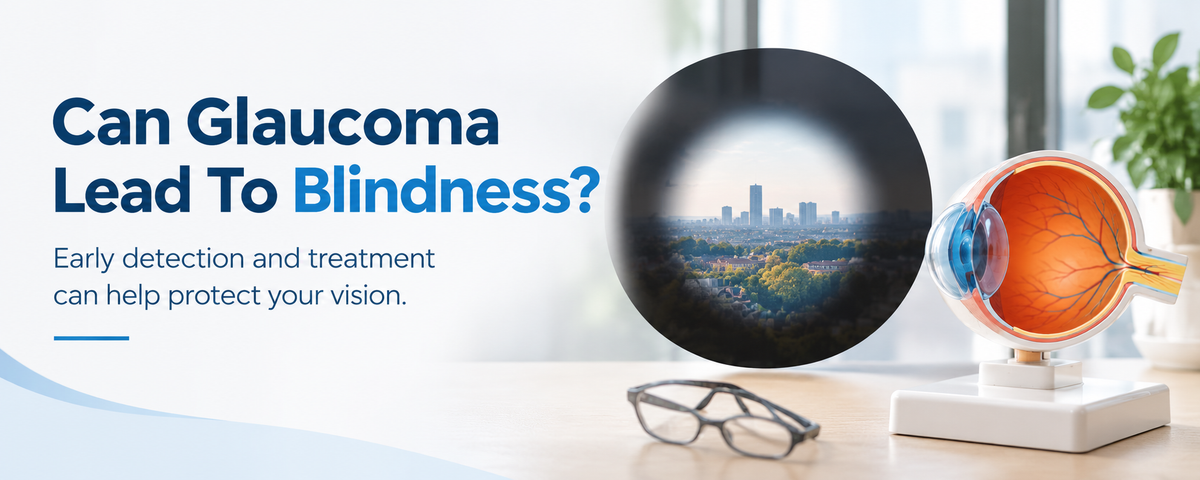
Glaucoma typically progresses silently, in contrast to certain eye disorders that produce instant discomfort. Changes may go undetected since peripheral (side) vision is typically impacted first and central vision is unaffected.
Over time, untreated glaucoma can lead to permanent vision loss. However, when identified early, progression can often be slowed or managed effectively with appropriate care.
Regular eye tests play an important role here, particularly if you have risk factors such as:
A family history of glaucoma
Age over 40
Diabetes or high blood pressure
Long-term use of steroid medication
Early glaucoma symptoms
1. Progressive peripheral vision loss
A slight decrease in side vision is among the first alterations. At first, this may be hard to notice. It is possible that you will not notice any changes until your field of vision narrows.
Sometimes, patients characterise it as:
Missing items on the side
Difficulty navigating in dim light
Being less conscious of one's surroundings
2. Patchy or blurry vision
Sometimes there may be a small blurriness or irregularity in vision. It can be simple to ignore because this is not always constant.
3. Halos around lights
Particularly at night, some people observe rings or halos surrounding lights. Changes in eye pressure may also be linked to this, although it can also happen in other conditions.
4. Mild eye discomfort
Most forms of glaucoma are not painful. However, a feeling of pressure or mild discomfort in the eyes can sometimes be present.
5. Difficulty adjusting to darkness
Taking longer to adapt when moving from bright to dim environments may be another early sign, although it is often overlooked.
Symptoms that need urgent attention
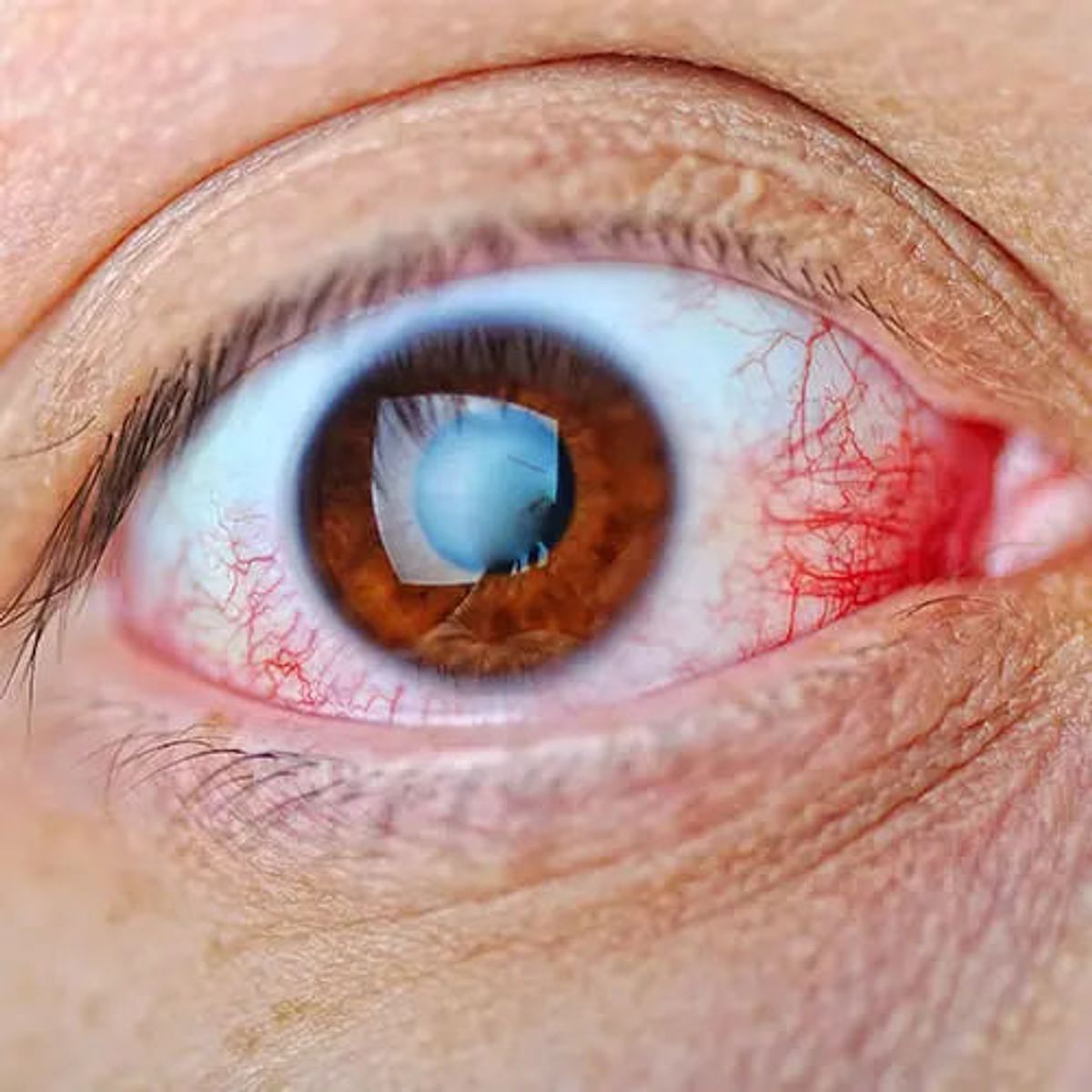
While many types of glaucoma develop slowly, there is a less common form, acute angle-closure glaucoma, that requires urgent care.
Seek immediate medical attention if you experience:
Sudden severe eye pain
Rapid vision loss
Headache with nausea or vomiting
Seeing coloured halos around lights
This form of glaucoma can develop quickly and needs prompt treatment to prevent lasting damage.
When to seek eye care
It is not always necessary to wait for symptoms before seeking advice. In fact, many cases are detected during routine eye examinations.
You may wish to arrange an assessment if:
You have a family history of glaucoma
You notice changes in your vision, even if mild
You have been advised of raised eye pressure
You have an existing health condition that may affect your eyes
A consultant ophthalmologist in London (https://www.minakbhalla.co.uk/) can provide a more detailed assessment if there are concerns following a routine eye test.
How glaucoma is diagnosed
Diagnosis involves a combination of tests rather than a single measure.
These may include:
Measurement of intraocular pressure
Visual field testing to assess peripheral vision
Examination of the optic nerve
Imaging scans to detect structural changes
These tests are generally straightforward and help build a clear picture of eye health.
Treatment options for glaucoma
Treatment depends on the type and stage of glaucoma. The aim is to reduce pressure within the eye and protect the optic nerve.
Eye drops
For many patients, treatment begins with medicated eye drops. These help lower eye pressure and are often used long-term.
Laser treatment
Laser procedures may be used to improve fluid drainage within the eye. These are usually carried out as outpatient treatments.
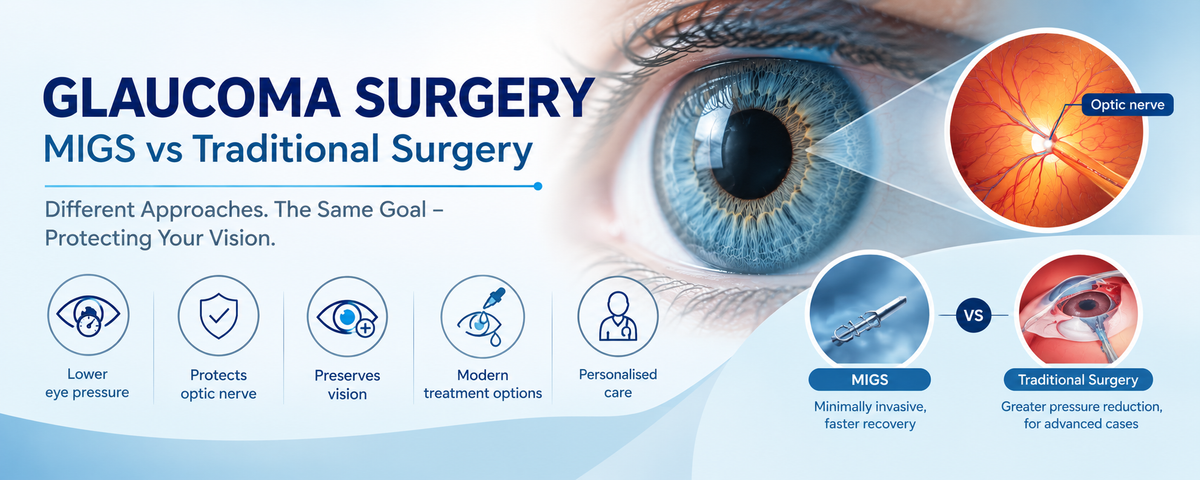
Glaucoma surgery
In some cases, glaucoma surgery may be considered to achieve better pressure control. This is typically recommended when other treatments are not sufficient.
A glaucoma surgeon with appropriate experience will discuss the options in detail, including potential benefits and risks. Techniques may include both traditional procedures and newer minimally invasive approaches, depending on individual circumstances.
A practical perspective
From experience, one of the challenges with glaucoma is not the treatment itself, but recognising when to act. Because symptoms can be subtle or absent, it often comes down to awareness and routine care.
Patients who attend regular eye tests tend to have changes picked up earlier. Those who delay assessment may only notice symptoms once vision is already affected.
It is not about being alarmed, but rather being attentive to small changes and acting on them.
Ongoing care for glaucoma
A diagnosis of glaucoma does not necessarily mean immediate vision loss. Many people continue with normal daily activities, especially when the condition is monitored and managed appropriately.
Ongoing care may involve:
Regular follow-up appointments
Monitoring of eye pressure and vision
Adjustments to treatment over time
Consistency with treatment and follow-up is often more important than any single intervention.
Conclusion
Early symptoms of glaucoma might be difficult to spot, since the condition frequently develops silently. Even though they might not seem like much at first, subtle changes in peripheral vision, sporadic blurring, or trouble adapting to light are important to be aware of.
Seeking guidance as soon as possible can offer clarity and comfort if there is any concern.
An ophthalmic consultant surgeon with expertise in glaucoma can provide a thorough evaluation and suitable treatment for those considering specialised care. Care is tailored to each patient, drawing on advanced fellowship training in glaucoma and experience with both conventional and less invasive procedures.
Mr Minak Bhalla, a consultant ophthalmologist in London, can help you understand your choices if you have concerns about your eyesight or have been advised to seek further evaluation.