Patient Care
When to See an Ophthalmologist in London

Dr Minak Bhalla
Changes in vision are common, but they are not always something to ignore. Knowing when to seek eye care can make a real difference to long-term eye health. That is exactly why it is important to know when to see a consultant ophthalmologist.
Many people only seek advice once symptoms begin to affect daily life. By that point, some conditions may already have progressed. A timely assessment often allows for earlier diagnosis and more straightforward treatment.
This guide explains when to see a consultant ophthalmologist in London and what you can expect from your visit.
What Is an Ophthalmologist?
Ophthalmology is the medical specialty focused on diagnosing and treating diseases of the eye, including conditions that may require medical or surgical management.
A consultant ophthalmologist in London is a medically qualified doctor who has completed extensive specialist training in eye disease, vision care, and ophthalmic surgery.
In clinical care, an ophthalmologist may:
Assess vision and overall eye health in detail.
Diagnose and manage complex eye conditions.
Prescribe medical treatments and medications.
Perform surgical procedures when required.
This broader scope is what sets ophthalmologists apart from other eye care professionals.
Optometrist vs Ophthalmologist: What is the Difference?
Optometrists provide routine eye examinations, prescribe glasses and contact lenses, and detect common eye conditions.
Ophthalmologists are medically trained doctors who diagnose and manage more complex eye diseases, including those requiring medical treatment or surgery.
In many cases, patients are referred to a private ophthalmologist in London by their optometrist when specialist care is needed, for example cataracts, glaucoma, or retinal conditions.
Why Regular Eye Tests Still Matter
Even without symptoms, routine eye checks are worth prioritising.
Many eye conditions develop gradually and without obvious warning signs. Glaucoma, for instance, can progress quietly until vision is affected.
Regular eye checkups can also highlight signs of wider health concerns, including:
Diabetes
High blood pressure
Vascular changes
For patients managing long-term conditions like diabetes, ongoing monitoring becomes even more relevant. Early detection often allows for more straightforward management.
Signs You Should See an Ophthalmologist in London
Some symptoms should not be ignored. While not all are urgent, certain changes do need prompt assessment.
1. Sudden Changes in Vision
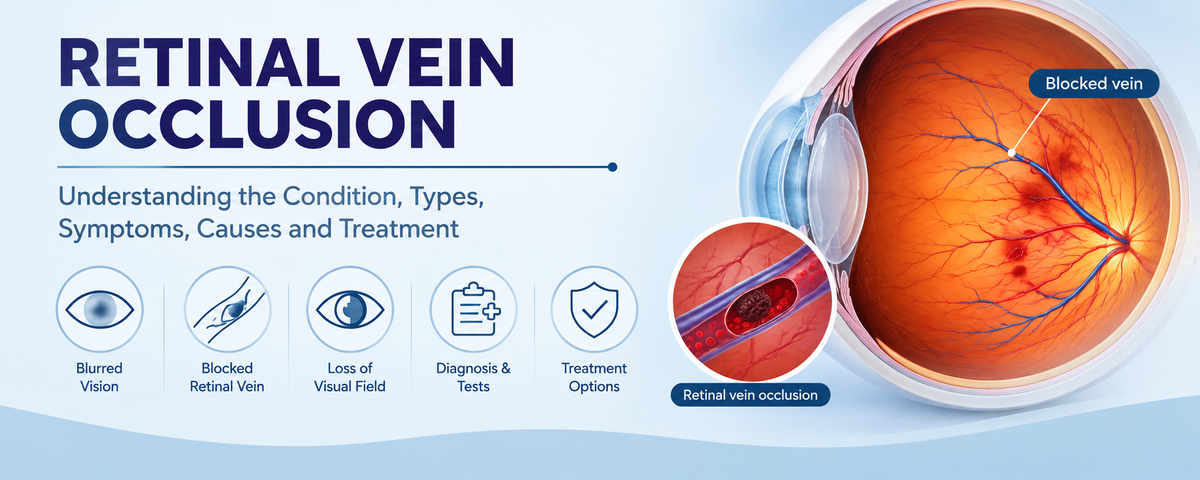
If your vision becomes blurred or distorted unexpectedly, especially in one eye, it is worth seeking urgent advice. This can sometimes indicate underlying issues affecting the retina or blood supply to the eye.
2. Persistent Eye Pain or Pressure
Ongoing eye pain is not normal and should be reviewed, especially if associated with visual disturbance, redness, or nausea. In some cases, this may indicate raised eye pressure or other underlying eye disease.
3. Floaters or Flashes of Light
A sudden increase in floaters or flashes may be a sign of a retinal tear or detachment. If this is accompanied by a shadow, curtain, or loss of peripheral vision, urgent ophthalmic assessment is required.
4. Existing Health Conditions
Diabetes and high blood pressure can directly affect eye health. Changes in vision in these situations should not be delayed or dismissed.
Common Conditions Treated by Ophthalmologists
A consultant ophthalmologist in London diagnoses and manages a wide range of eye conditions, from common age-related changes to serious disease.
Cataracts
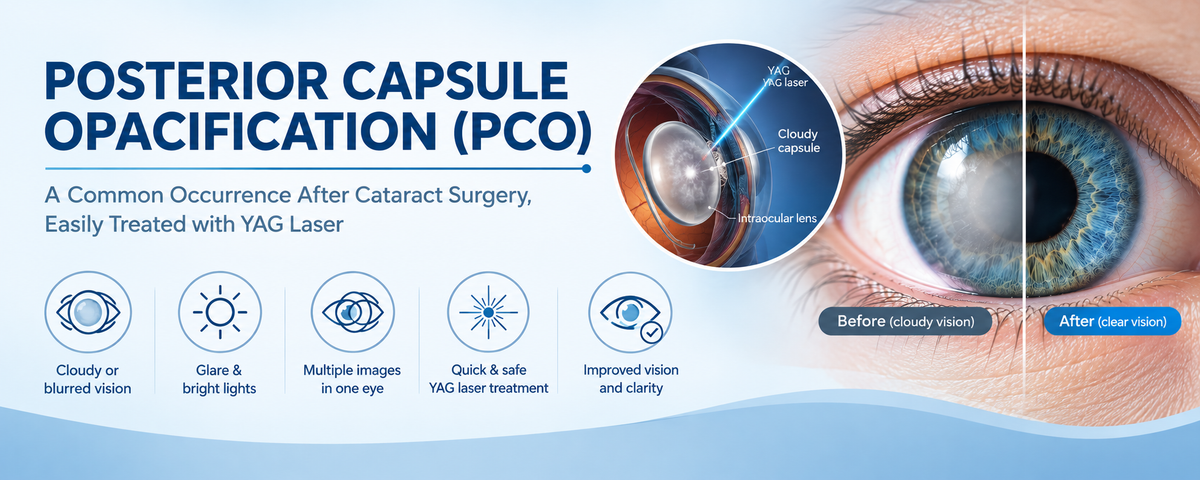
Cataracts occur when the natural lens of the eye becomes cloudy, leading to blurred or reduced vision. Treatment is typically surgical, involving replacement of the affected lens with an artificial intraocular lens.
Glaucoma
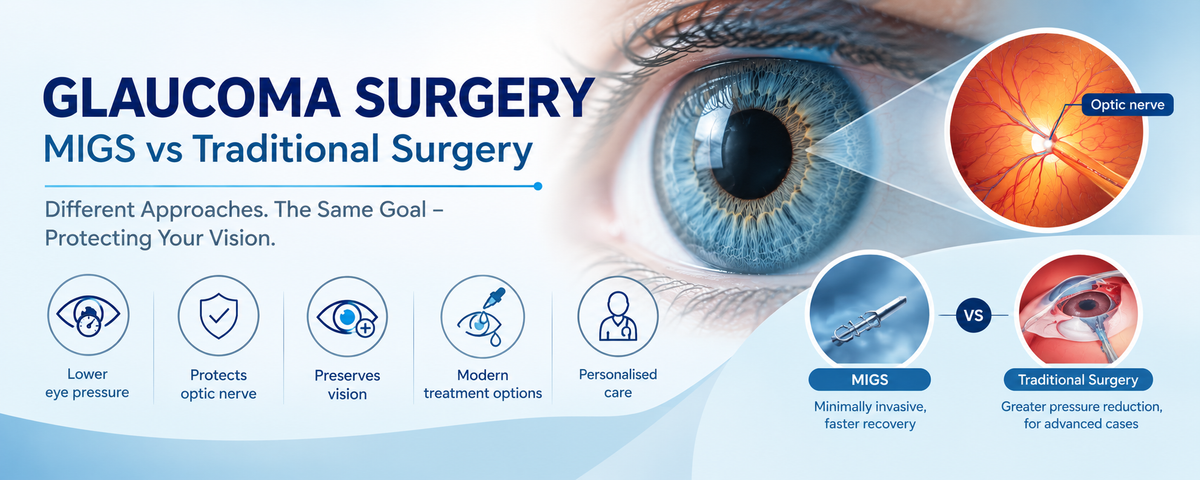
Glaucoma affects the optic nerve, often linked to increased eye pressure. It may not cause noticeable symptoms early on, which is why monitoring is important.
Age-related macular degeneration (AMD)
AMD affects the macula, the central part of the retina responsible for detailed vision. It can impact activities such as reading and facial recognition, although peripheral vision is usually preserved.
Diabetic Retinopathy
Changes in blood vessels at the back of the eye can occur in people with diabetes. Regular screening helps detect these changes before vision is affected.
Dry Eye Syndrome
A frequent concern, particularly for those spending long hours on screens. Management may include lubricating drops or other treatments depending on severity.
Retinal detachment
A serious condition where the retina separates from the back of the eye. Symptoms include sudden floaters, flashes of light, or a shadow or curtain in the field of vision. Urgent assessment is required.
Choosing a Private Ophthalmologist in London
Finding the right consultant is not only about qualifications, but also about communication, clarity, and clinical experience.
When selecting a consultant ophthalmologist in London (https://www.minakbhalla.co.uk/), it is helpful to consider:
Consultant experience
Areas of subspecialty (for example cataract or glaucoma)
Patient feedback and recommendations
Clarity in explaining diagnosis and treatment options
What to Expect at Your First Appointment
A consultation is thorough but straightforward. During your appointment, you can expect:
Review of your medical and eye history
Assessment of vision and prescription
Measurement of eye pressure
Examination of the internal structures of the eye
It is helpful to bring current glasses or contact lenses, a list of medications, and details of relevant medical history. Appointments typically last around 30 minutes, depending on complexity and any additional investigations required.
Costs and Insurance Considerations
The cost of private ophthalmology care in London varies depending on the nature of the consultation, investigations, and any required treatment.
Many private medical insurance policies cover aspects of care such as:
Initial consultations
Diagnostic testing
Certain treatments or procedures
Some clinics also offer fixed pricing or payment plans, which can make costs more predictable.
Looking After Your Vision
Eye health often does not get attention until something changes, but early action can make things simpler.
If you notice changes in your vision, or are managing an existing eye or medical condition, it is advisable to seek specialist review. Regular monitoring, even when symptoms are stable, can help identify issues early and support long-term visual health.
FAQs
Q1. When should I see an ophthalmologist instead of an optometrist?
You should see a consultant ophthalmologist if you have a diagnosed eye condition, require surgical treatment, or experience sudden or significant changes in vision.
Q2. Do I need a referral to see a private ophthalmologist in London?
No. Many private ophthalmology clinics accept self-referrals without the need for a GP or optometrist referral.
Q3. How often should I have an eye test?
Most adults benefit from an eye test every two years, though this may vary based on age and health conditions.
Q4. Are eye conditions always symptomatic?
No. Some conditions, including glaucoma, can develop gradually without noticeable symptoms in the early stages.