Patient Care
What is Blepharitis?

Mr Minak Bhalla
What Is Blepharitis?
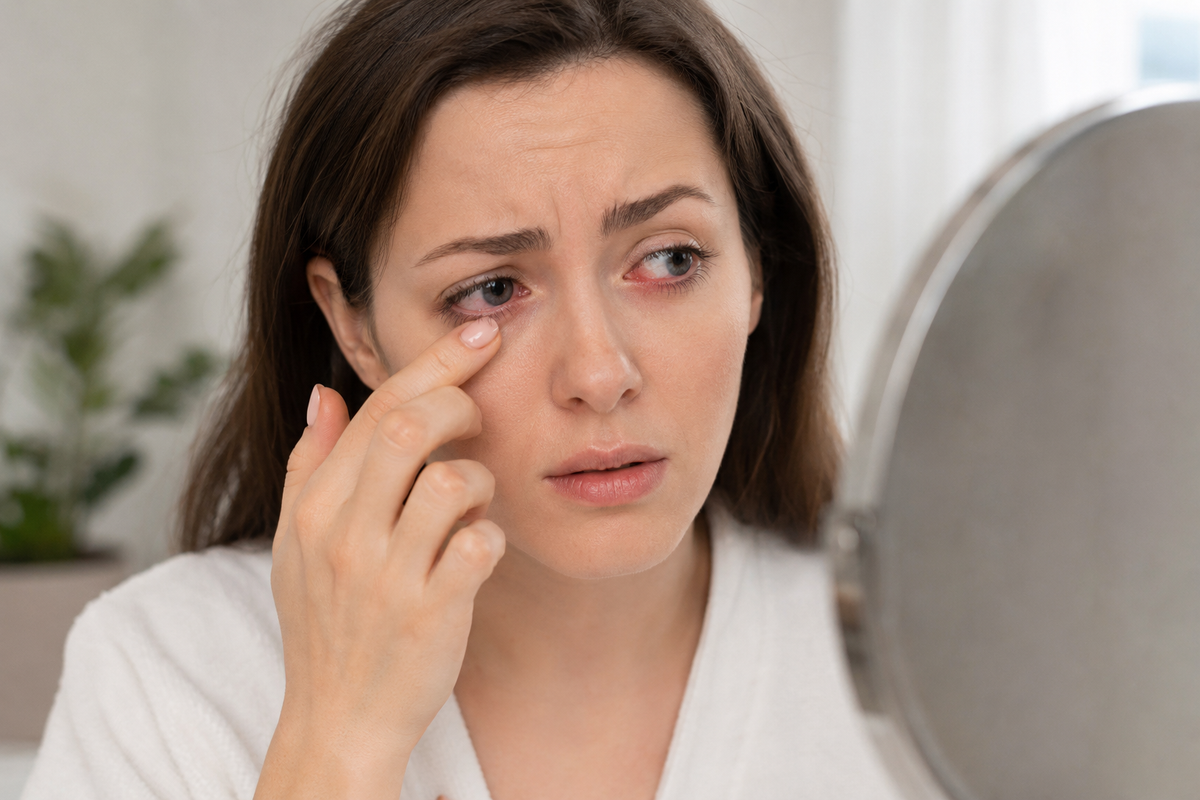
Blepharitis is a common condition that causes inflammation (irritation) of the eyelids, leading to red-rimmed, sore eyes, sometimes with crusting at the roots of the eyelashes. It is extremely common, responds well to simple treatment and, for most people, is not harmful.
Symptoms include:
Red and sore eyelids
Tiny flake-like dandruff at the bottom of the eyelashes
Dry or burning eyes
Occasional blurring of vision
A feeling that there is something in your eye
What Causes Blepharitis?
There is no single direct cause of blepharitis, but it is more common in people who have skin conditions such as eczema and acne, and in those with allergic conditions like asthma.
Eyelids contain tiny glands that produce an oil which keeps the eyes moist as part of the tear film. In blepharitis, these glands become blocked, which causes irritated eyelids and dry, sore eyes. In some people, blepharitis is partly thought to be caused by sensitivity to the bacteria (staphylococcus) which normally live on the skin.
TREATMENT WITH LID HYGIENE
There is no cure for blepharitis, but symptoms can be managed. The most important treatment is good eye care, known as "lid hygiene." This should be performed twice daily with clean hands — even when symptoms are not present — to reduce the severity and frequency of flare-ups.
The aim of lid hygiene is to encourage healthy tears to lubricate the eye and reduce inflammation. This is achieved by softening the oils in the eyelid glands, unblocking the glands and removing any flakes or excess bacteria.
Please ensure any contact lenses are removed before starting.
STEP-BY-STEP LID HYGIENE GUIDE
Step 1: Soften oils with a hot compress
Hold a hot flannel or microwavable eye bag firmly onto closed eyelids for 3 minutes to soften the oil in the glands. Take care not to burn your skin — the compress should feel comfortably warm, not scalding.
Step 2: Unblock oil glands with massage
This should always be done immediately after Step 1. The aim is to apply pressure to the eyelids to clear the softened oil out of the glands, ready to be cleaned away.
Use your index finger to apply pressure to the eyelid whilst slowly rolling it towards the eyelashes.
Alternatively, for the upper lid, look downwards and either pinch the eyelid between your forefinger and thumb applying pressure between them, or press with your forefinger against the white of the eye. Perform the opposite for the lower lid.
Step 3: Clean the edges of the eyelids
Moisten a cotton bud with tap water, or use commercially available eyelid wipes, to clean the edges of the eyelids gently but firmly — both where the eyelashes come out of the skin and behind the eyelashes.
To clean behind the lashes, pull the eyelid gently away from the eye with your finger. This removes any flakes or crusting from the base of the eyelashes, as well as cleaning away excess oils and bacteria.
OTHER TREATMENT OPTIONS
Mr. Bhalla or your optician or pharmacist may advise you on additional treatments. The following should only be used as recommended and are not covered in detail in this leaflet:
Lubricant eye drops (artificial tear drops)
Antibiotic eye drops or tablets
Anti-inflammatory drops such as steroids or ciclosporin
POSSIBLE COMPLICATIONS
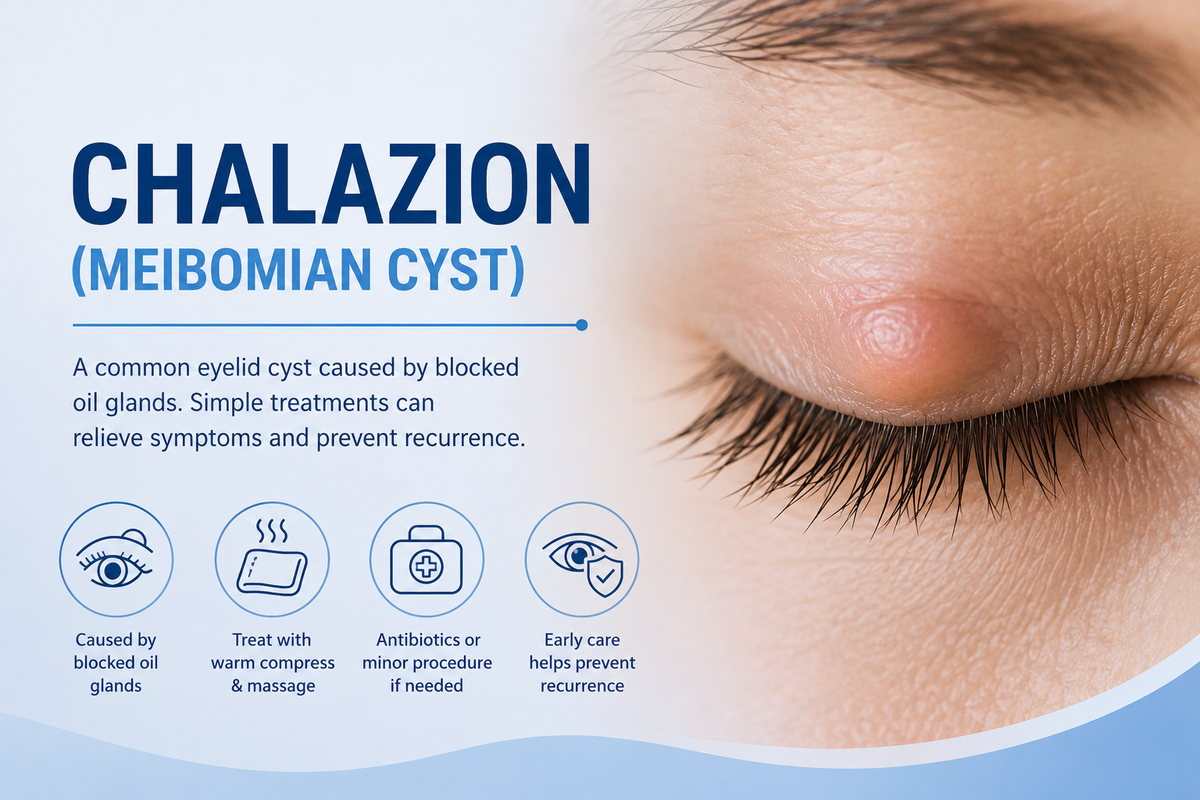
Blockage of the oil glands can lead to a meibomian cyst or chalazion, which appears as a round, painless swelling in the eyelid. The blocked gland can become infected and turn red and sore. To help treat the cyst, use the warm compress and massage as described in Steps 1 and 2 above as early as possible.
Less commonly, blepharitis can lead to changes on the clear window at the front of the eye (the cornea). This will usually require further assessment and treatment by Mr. Bhalla.
WHEN TO SEEK FURTHER ADVICE
Please contact Mr. Bhalla's team promptly, or attend your nearest eye casualty department or a Minor Eye Conditions Service (MECS) if this service is available in your area, if you experience any of the following:
Your eye becomes increasingly red or painful
Your sight becomes more blurred
You develop very noticeable and spreading redness together with significant eyelid swelling
Mr. Minak Bhalla | Consultant Ophthalmologist
+44 20 3355 7738
secretary@minakbhalla.co.uk