Charity & Outreach
Restoring Sight in Cambodia: A Journey of Learning and Giving Back
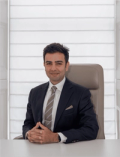
Dr Minak Bhalla
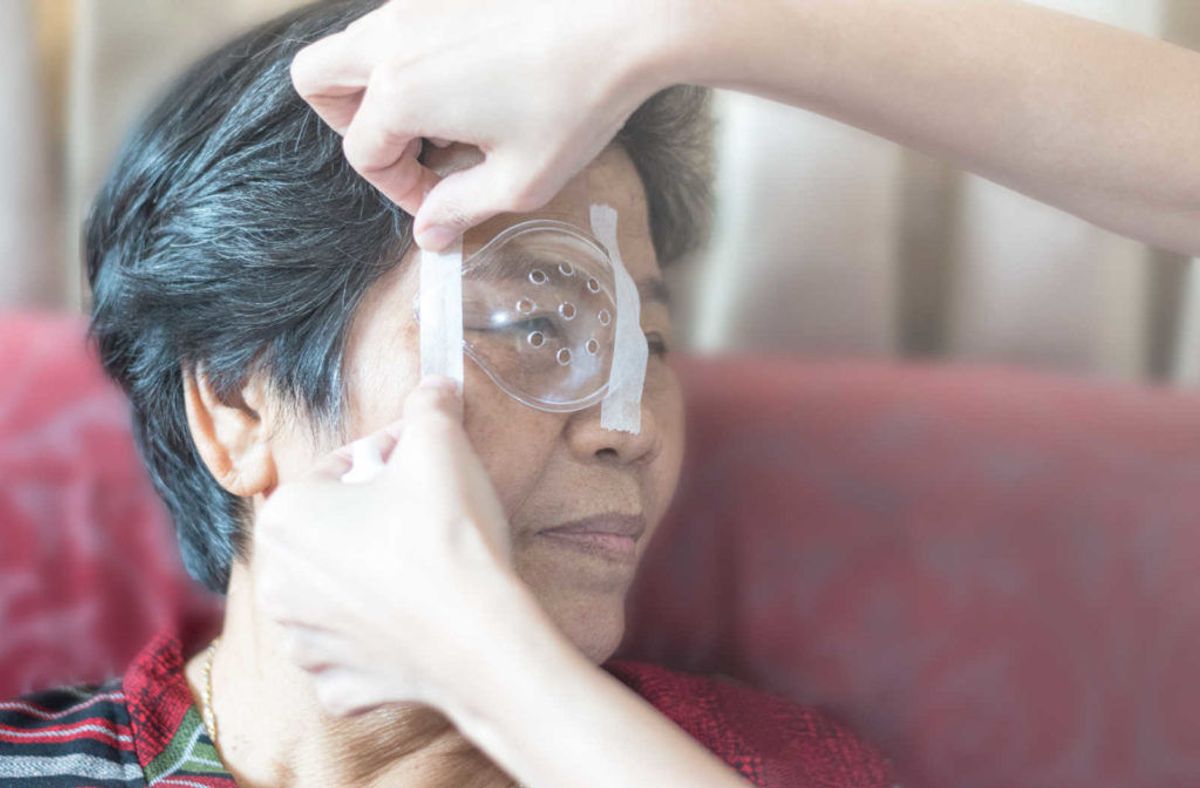
The elderly woman sitting across from me had been blind for three years. Cataracts in both eyes had gradually stolen her independence, her livelihood and her dignity. Through our translator—a dedicated Cambodian medical student—she told me she could no longer work in the rice fields, no longer care for her grandchildren, no longer live the life she once knew.
Yet despite years of preventable blindness, she smiled as we examined her. There was hope in her eyes—hope that tomorrow, after a 15-minute surgery, she would see again.
This was Cambodia and I was privileged to be part of something far bigger than myself.
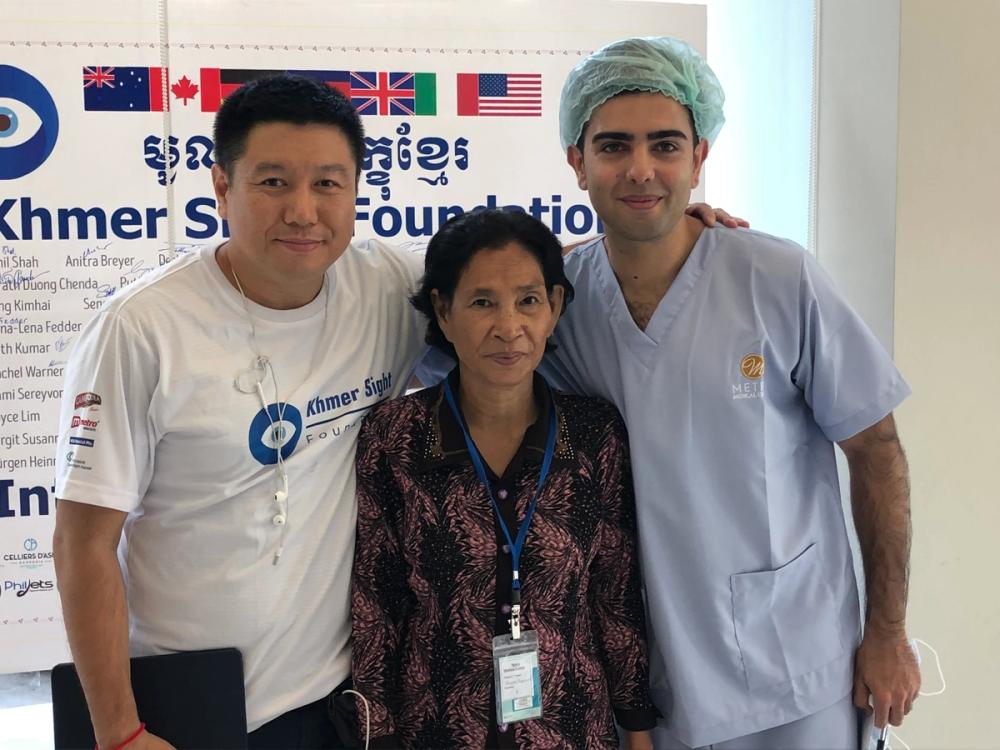
The Khmer Sight Foundation
As a trainee ophthalmologist, I had the extraordinary opportunity to volunteer with the Khmer Sight Foundation, an organization dedicated to preventing blindness and restoring sight in Cambodia. The scale of need in Southeast Asia is staggering—millions suffer from treatable or preventable blindness, lacking access to even basic eye care that we take for granted in the UK.
Cambodia, like many developing nations, faces a critical shortage of ophthalmologists and eye care infrastructure. In rural areas, people may live hundreds of kilometers from the nearest eye clinic. Even when care is accessible geographically, the cost can be prohibitive for families living on just a few dollars a day.
The Khmer Sight Foundation works tirelessly to bridge this gap, providing free eye surgery and training local healthcare professionals to create sustainable, long-term solutions.
£20,000 raised for the foundation
Countless lives changed through restored vision
Preparing for the Mission
Before departing for Cambodia, I organized and ran an educational course back in the UK. The course brought together ophthalmology trainees and consultants, sharing knowledge and skills while raising funds for the foundation. Through the dedication of participants and supporters, we raised £20,000—funds that would directly support surgical missions, equipment and training programs in Cambodia.
That financial contribution was significant, but what I gained from the experience in Cambodia was immeasurable.
The Reality on the Ground
Arriving in Cambodia was both humbling and inspiring. The temporary surgical camp was set up in a local facility, transformed into a functioning eye clinic through the remarkable efficiency and dedication of the foundation's team. Patients had traveled from across the region, many having waited years for this opportunity.
The conditions were far removed from the modern operating theaters of London. We worked with limited resources, basic equipment and sometimes unpredictable power supplies. Yet the standard of care never wavered. Every patient received the same meticulous attention and surgical precision I would provide in Harley Street.
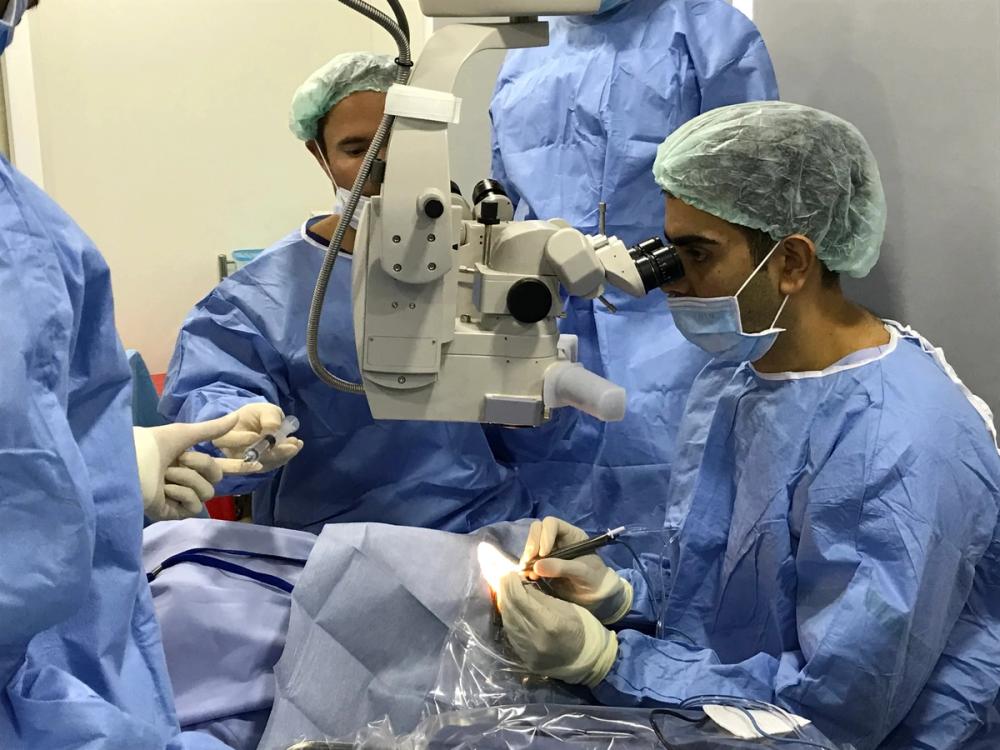
Cataract Surgery: Transforming Lives
The majority of our surgical work involved cataract operations. In the UK, we discuss cataract surgery as a quality-of-life procedure—improving vision for driving, reading, or enjoying hobbies. In Cambodia, it was often the difference between destitution and self-sufficiency, between dependence and independence, between despair and hope.
I performed numerous cataract surgeries during the mission, each one reinforcing why I chose ophthalmology. The gratification is immediate and profound. Patients who couldn't see their own hands the day before would return the following morning, counting fingers, reading charts, seeing their family members' faces clearly for the first time in years.
The tears of joy were universal—transcending language, culture and economic circumstance.
Managing Urgent Cases
Beyond scheduled surgeries, we assessed patients presenting with urgent eye conditions, including retinal detachments—sight-threatening emergencies requiring immediate intervention. Working in a resource-limited setting sharpens your clinical skills immensely. Without access to all the advanced imaging and diagnostic tools available in UK hospitals, we relied heavily on clinical examination, critical thinking and creative problem-solving.
These challenging cases taught me invaluable lessons about adaptability and resourcefulness—skills that have enhanced my practice back home.
Teaching and Knowledge Exchange
One of the most rewarding aspects of the mission was working with Cambodian medical students who served as translators and assistants. These bright, dedicated young people were hungry for knowledge, asking thoughtful questions and absorbing every teaching point.
We conducted teaching sessions on eye examination techniques, common conditions and when to refer patients for specialist care. By empowering local healthcare workers with knowledge and skills, the foundation creates a multiplier effect—each person we train will go on to help countless others in their communities.
The cultural exchange was bidirectional. I learned as much from these students about resilience, resourcefulness and commitment to patient care as they learned from me about ophthalmology. Their dedication, despite facing challenges I could scarcely imagine, was genuinely inspiring.
The Broader Impact
The economic impact of restoring sight in developing countries extends far beyond the individual. When a working-age adult regains vision, they can return to employment, support their family and contribute to their community. When elderly people can see again, they regain independence and dignity, no longer requiring constant care from family members who might otherwise be working.
Studies have shown that cataract surgery in developing nations is one of the most cost-effective health interventions possible, with returns on investment measured not just in economic terms but in human potential unlocked and suffering alleviated.
The Ripple Effect
Every cataract operation performed doesn't just restore one person's sight—it transforms an entire family's future. Children can return to school instead of guiding blind parents. Families can earn income again. Communities become stronger.
Reflections and Lessons
Working in Cambodia fundamentally changed my perspective on medicine and privilege. In the UK, we have universal healthcare, advanced technology and specialists available whenever needed. In Cambodia and much of the developing world, people suffer unnecessarily from conditions we can treat in minutes.
The experience reinforced why global health equity matters and why those of us with skills and resources have a responsibility to give back. It also reminded me of medicine's most fundamental truth: at its core, healthcare is about human connection, compassion and the privilege of alleviating suffering.
Professional Growth
As a trainee, this mission accelerated my development as a surgeon and clinician. Operating in challenging conditions, managing unexpected complications with limited resources and making critical decisions independently all contributed to my growth. The experience gave me confidence, enhanced my clinical judgment and deepened my appreciation for the art—not just the science—of medicine.
I returned to London a better doctor.
The Journey Continues
My time in Cambodia was brief, but its impact on me was lasting. The faces of patients whose sight we restored remain vivid in my memory—the elderly farmer who could finally see his grandchildren, the young mother who could care for her baby independently, the laborer who could return to work.
These experiences shape how I practice medicine today. They remind me that sight is not merely a medical issue—it's fundamental to human dignity, independence and opportunity. They reinforce why every patient, regardless of their ability to pay or their social circumstances, deserves the highest standard of care.
Supporting Global Eye Health
Organizations like the Khmer Sight Foundation rely on donations and volunteers to continue their vital work. If you're moved by this cause, consider supporting charities working to prevent avoidable blindness in developing nations. The impact of even small contributions is profound.
Gratitude
I'm deeply grateful to the Khmer Sight Foundation for the opportunity to participate in this mission, to the incredible team I worked alongside, to the Cambodian medical students who taught me as much as I taught them and to everyone who contributed to our fundraising efforts.
Most of all, I'm grateful to the patients who trusted us with their care. Their courage, resilience and grace in the face of adversity was humbling. They reminded me why I became a doctor and reinforced my commitment to making a difference, one patient at a time.
Restoring sight is more than a surgical procedure—it's restoring hope, independence and human potential. That's a privilege I'll never take for granted, whether in a modern London clinic or a temporary surgical camp in rural Cambodia.
The work continues and there's much more to be done. But for every person who regains their sight, the world becomes a little brighter.
Committed to Comprehensive Eye Care
Experience compassionate, expert ophthalmology care in London