Cataract
Cataract Surgery Explained: Signs, Symptoms, and Do’s & Don’ts After Surgery

Mr Minak Bhalla
Cataract Surgery Explained: Signs, Symptoms, and Do’s & Don’ts After Surgery
A cataract is a common eye condition caused by clouding of the eye's natural lens. Cataracts are most common in older adults. It often begins with cloudy and blurry vision. It can occur in one or both eyes, if cataracts are present in both eyes, the vision problems may become more noticeable. If left untreated, cataracts may gradually lead to visual impairment.
Cataract Signs and Symptoms :-
• Cloudy, foggy vision
• Blurred vision
• A grey or cloudy appearance on pupil
• Sensitivity to bright light
• Poor night vision
• Double vision
Who is more at risk of developing Cataract
• Older age ( particularly over 60 years)
• Diabetes Mellitus
• Eye injury
• Inherited health problems such as maternal rubella
• Overexposure of Ultraviolet light
• Tobacco use
• Obesity
• High myopia/near-sightedness
• Long-term steroid use
Cataract Treatment and Surgery
Initially cataract may not require treatment. Even though glasses may help temporarily, surgery remains the most effective long-term treatment for cataract when it begins to affect daily activities like driving, reading etc. Recovery from surgery is usually quick and serious complications are rare. These procedures are performed by consultant ophthalmologists experienced in cataract surgery.
How the cataract surgery is preformed
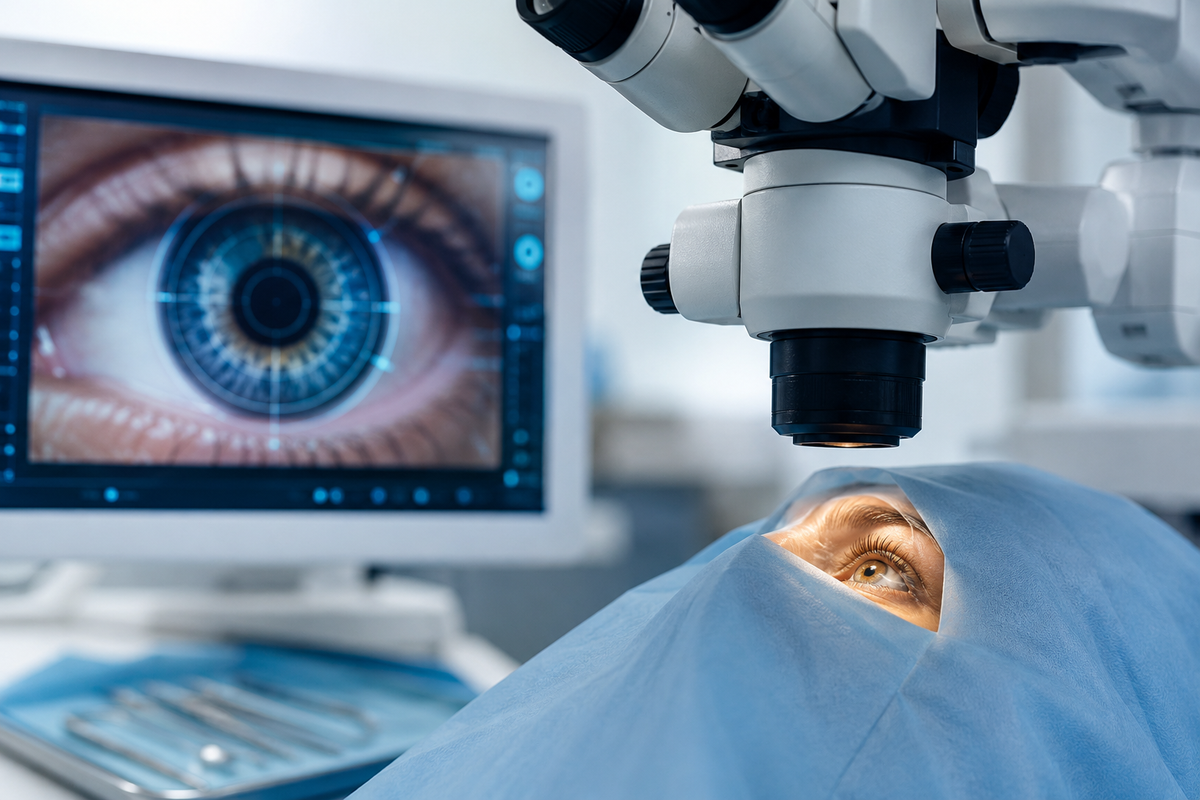
Phacoemulsification:- Phacoemulsification is a commonly performed cataract surgery worldwide. In this surgery ultrasonic energy is used to break the cloudy lens into tiny fragments which are then removed by making a very small incision. A foldable intraocular lens made of silicone/hydrogel/acrylic is implanted afterwards.
What happens on the day?
Eye drops are used to numb the eye.
A small incision is made in the eye (2-3 mm).
Ultrasound is used to break the cloudy lens into tiny fragments.
The fragments of the lens are removed.
An artificial lens is inserted.
The small incision is sealed naturally.
Benefits of Phacoemulsification
Small incision is required
Quick recovery
Minimal discomfort
Usually does not require stitches
Many patients notice clearer vision within a few days, although complete healing may take several weeks
Do’s after Cataract Surgery
Follow advice regarding eye protection and postoperative care
Use prescribed eyedrops
Wear eye shield or glasses if you go out in windy weather
Wear sunglasses if your eyes feel sensitive to light
Don’t After Cataract Surgery
Do not rub your eye
Do not do heavy lifting or play sports
Do not use eye make-up
Do not go swimming even with goggles on
Avoid getting water directly into the eye
Choose your Cataract Surgeon in Harley Street, London
Still unsure which type of cataract surgery is suitable for you? Every patient's visual needs are different. Choosing the right cataract surgery type depends on the individual's eye health, age, lifestyle and visual needs. A personalised consultation with an experienced consultant ophthalmologist can help you decide the most suitable option for you. If cataracts are affecting your daily activities you may benefit from a specialist assessment.
Looking for an experienced consultant ophthalmologist in London? You can arrange a private consultation with Cataract Surgeon Dr. Minak Bhalla. With years of experience in ophthalmology and cataract surgery, Dr. Bhalla offers you treatment plans and cataract surgery tailored to your individual needs right in Harley Street, London. Contact for any further enquiries.
FAQ - Cataract Surgery
1. How do I know if I have cataract?
If you have blurry vision, a grey film-like appearance on your pupil, you may contact a consultant ophthalmologist for assessment and medical advice.
2. When do I need cataract surgery?
You may be advised to consider a cataract surgery if your symptoms begin to affect your daily activities or quality of life.
3. Which is the common type of cataract surgery?
The commonest type of cataract surgery is Phacoemulsification
4. Where to find a cataract surgeon around Harley Street, London?
You can arrange a consultation with Dr. Minak Bhalla at Harley Street, London
for professional advice.